Wellington:
(04) 801 6228
Lower Hutt:
(04) 570 0520
If you’re looking to find the right dentist & establish a “dental home” for your family, you may wonder what the difference is between a pediatric dentist (a.k.a. a kids’ dentist) & a general dentist.
The first thing to know is that all dentists are qualified to treat children. There is no difference between the DDS, DMD or BDS degrees that both types of dentists hold. All dental school training includes understanding the developmental stages of mouth development, from the first tooth in infancy all the way through the arrival of wisdom teeth in late adolescence or early adulthood.
Children’s dentistry, known formally as pediatric dentistry, is a dental specialty recognized by the dental regulatory organizations in various countries. A dentist can call themselves a pediatric dentist if they have completed additional training that is specific to children.
A general dentist can provide the same checkups & cleanings for children that they would get at a pediatric dentist. They can also provide guidance & education to both children & their parents regarding good oral hygiene habits & diet & nutritional recommendations. This education helps to prevent pediatric dental caries, which is the clinical term for cavities & tooth decay in children’s teeth, & hopefully leads to a lifetime of healthy teeth & gums.
Even if a general dentist’s practice includes both adults & children, you’ll often find that dentists try to make all ages feel welcome. This may include a kids’ corner or even a whole playroom, a toy basket, fun picture books or even video games. All of these kid-friendly touches make children feel welcome & at ease at the dentist, & probably helps parents feel more at ease too. For adults, many practices provide beverages such as coffee, tea or water & a selection of magazines to read while they wait.
Many pediatric dentists pursue the specialty simply because they enjoy working with children in particular & have the personality & patience for the job. However, many general dentists enjoy seeing patients of all ages, including adults, kids, teens & seniors. It is very rewarding to see a patient grow from their first tooth all the way to adulthood & then start treating that patient’s children!
Many families choose to have both the adults & children in their families visit the same dentist as a matter of convenience. This gives the family dentist the advantage of knowing the oral health history of each member of the family, & may even allow parents & kids to get check-ups at the same time. If you are a first time parent & it’s almost time for your child’s first check-up (6 months after the first tooth or by age 1, by the way), talk to the dentist about getting an appointment for your child.
One of the best ways to make sure your child has a healthy smile for life is by establishing a dental home. That means creating a trusting relationship between your child & your family dentist & making sure visits to the dentist are fun & educational. As a parent or guardian, you can play a large part in making sure your child is happy & comfortable at the dentist. Here are a few ways how:
If you are a new parent or the parent of a small child, talk to us about bringing your child along on your own teeth cleaning appointment. You can hold your child on your lap while we clean your teeth. We are a family dentist & welcome the opportunity to introduce your child to the world of dental care. Together, you, the dental hygienist & dentist will explain to your child what’s going on, so that the process of going to the dentist becomes familiar to the child before he or she starts going to his or her own dental appointments. Many children become anxious when presented with situations that are unfamiliar. Seeing you get your teeth cleaned will introduce the concept to the child so they are less likely to be afraid or upset when it’s their turn to see the dentist.
Another great way to introduce children to the idea of visiting the family dentist is to read them a picture book about the topic. There are many great children’s books about visiting the dentist, so you can choose one that you think will appeal to your child. You and your child can re-read the book whenever they have a dental appointment coming up to remind them why going to the dentist is important & that it isn’t scary.
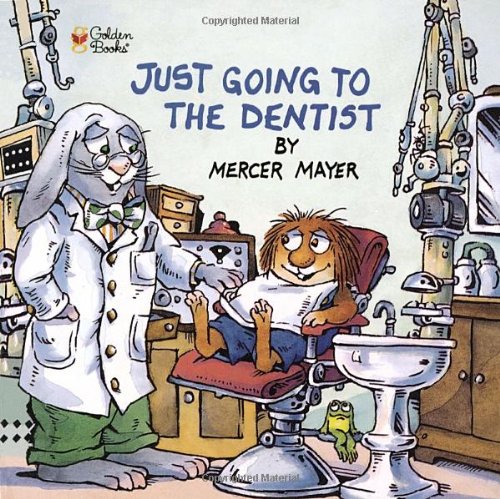 Just Going to the Dentist (Little Critter) by Mercer Mayer
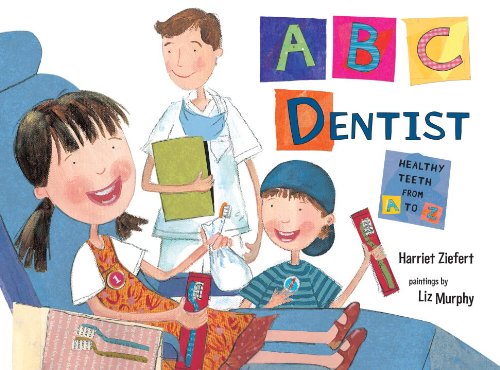 ABC Dentist: Healthy Teeth from A to Z by Harriet Ziefert
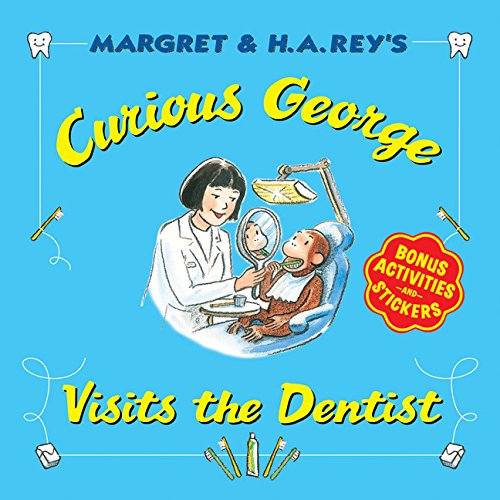 Curious George Visits the Dentist by H. A. Rey
Many children’s programs have episodes that focus on trips to the family dentist. They usually address possible fears children might have within a story that the child can relate to. A good place to search for episodes of kids’ shows that feature a trip to the dentist is YouTube, or similar video-streaming services. You can also keep an eye out for dentist-themed episodes on TV make sure you & your child watch them together.
Dudley Visits the Dentist
Dentist Video from Sesame Street
As a family dentist, we are alway happy to do whatever it takes to make sure your little one feels comfortable & welcome at our practice. If you have any concerns or questions about your child’s visits to the dentist, please don’t hesitate to ask us.
Brushing your teeth is very important for your oral & overall health, but to kids, it’s just a chore. But it doesn’t have to be! Here are some tips for teaching your kids how to brush their teeth effectively & solidify good dental care habits for a lifetime of healthy teeth.
Step 1. Demonstrate.
To encourage your kids to brush their teeth properly, model good behavior! Brush your teeth at the same time as your child & let them watch you so they can see how it should be done. Explain what you’re doing as you’re doing it & brush in small circles on all surfaces of every tooth. Make sure you show how to angle the toothbrush at 45 degrees to brush the gum line effectively.
Step 2. Guide.
Kids usually don’t have good enough motor control to brush their own teeth well until they are 6 or 7, so until then, you can brush their teeth for them.
Show them how to squeeze a pea-sized amount of toothpaste onto the toothbrush (the ADA recommends using a rice grain-sized amount until your child is three years old) & have your child face the mirror so they can see & you can explain what you are doing. Go slow & show them proper brushing technique.
Once they are old enough to brush their teeth on their own, continue to brush your teeth at the same time as your child to encourage good dental care. If you’re nervous that they aren’t being thorough, trade off for a while. Your child can brush their own teeth in the morning, & then in the evening you can reinforce proper brushing technique by doing it for them.
Step 3. Encourage Them to Be Thorough.
Make sure your child is thorough & continues to brush for the entire two minutes. You can use songs or a timer to countdown, & tell them to make lots of bubbles with the toothpaste.
When the two minutes is up, instruct them to spit the toothpaste into the sink & never swallow it. Then, they should rinse their mouth & the toothbrush. To show them how thorough they need to be, you can use plaque dye tablets after brushing to show them the spots they missed.
Step 4. Floss!
Flossing is a very important part of the dental care routine that you should encourage your child to follow from an early age. To make it more fun & easy, you can use floss picks, because they often come in styles with characters.
As with brushing their teeth, teach your child the proper flossing technique. Wind 18 inches of floss around your middle fingers & pinch the floss between your thumb & index fingers. Gently insert the floss between two teeth using a back & forth motion. Curve the floss around each tooth in a C shape & move it up & down each tooth. You can demonstrate it, guide your child, & eventually let them try it themselves.
Tips & Tricks
40% of kids have cavities by the time they enter kindergarten, so it’s important to encourage good brushing habits early. Even though baby teeth will fall out eventually, it’s important to keep them clean & healthy anyway because they are guides & space holders for permanent teeth.
Here are some tips & tricks for making brushing fun!
Wearing a mouth guard during sports activities is one of the best ways to avoid injuries to your child’s teeth & emergency dental care. Mouth guards, which are made from a plastic or rubber material & fit over the top arch of teeth, not only protect your teeth, but also protect lips & cheeks from being damaged by teeth during an impact.
What many children & their parents fail to realize is that mouth guards should be worn even when participating in low contact sports. While we’re used to seeing football, basketball, lacrosse & hockey players wearing mouth guards, they should also be worn by soccer players, skateboarders, skiers & snowboarders, gymnasts & ice skaters. If you can imagine any kind of impact to the face in the sport your child participates in, it’s worth it to protect their teeth with a sports guard.
The best option for a sports guard is to have it custom made by your kid’s dentist. Custom fit mouth guards fitted by a dentist have been shown in studies to offer the best possible protection for teeth. In addition to being more effective, dentist-made mouth guards are more comfortable & are less likely to impede breathing because they are designed to fit your child’s mouth specifically. The more comfortable the mouth guard is, the more likely your child will actually wear it! And of course, the less likely they’ll need emergency dental care.
There are also over-the-counter options for mouth guards, including ready-made & boil-and-bite guards. However, to ensure that these are effective at preventing injury, you should only buy those that have the American Dental Association (ADA) seal of acceptance. Mouthguards that don’t have this seal may not meet the dental profession’s standards for protecting teeth & lips.
We should also note that only mouth guards custom made by a dentist have been proven to protect against concussions/traumatic brain injury from an impact [source]. Over-the-counter options do not provide nearly as much protection from concussions.
Sports mouth guards should be replaced every season. Replacements are necessary because mouth guards can wear out over time but also because children’s teeth are still moving & developing, which can affect whether the mouth guard fits properly over time.
Be sure that your child has their sports guard well before their sports season or training starts so they can get used to how it feels. Make an appointment with your kids dentist to talk about getting a sports guard as soon as possible!
Many primary & secondary schools across the United States (& in some other countries) require students to have a dental exam from a pediatric dentist or family dentist before they finish certain grade levels.
Most schools will not prevent a child from attending class if they don’t get the required exam, or if a dentist determines their oral health makes them unfit to attend school. However, other penalties may be placed on the child or parents in these situations. For example, if proof of the required dental exam isn’t provided, schools may withhold the child’s report card, which could make it hard for the student to move on the the next grade or matriculate.
The exams required by most schools are mainly focused on finding tooth decay-related problems, or “any other condition that interferes with a student’s ability to chew, speak or focus on school activities.”[source] This type of exam is already part of your child’s regular checkup at the dentist, so if your child already visits the dentist regularly, you will probably not have to make a new appointment for the school required dental exam. School-required exams usually do not involve x-rays (radiographs).
Children’s oral health can have a big impact on their early lives, their later health, & even on their academic success. A report on the implementation of the Illinois law that requires dental exams for schoolchildren stated:
An estimated 51 million school hours per year are lost because of dental-related illness. Poor oral health has been related to decreased school performance, poor social relationships, and less success later in life. Children experiencing pain are distracted and unable to concentrate on schoolwork. Children should enter school free from dental problems. [source]
Some states also collect data (confidentially & anonymously) from the results of these exams. Putting all this data from different schools & grades together gives them a good idea of how well the teeth of children in the community are being cared for.
The state of Illinois requires a dental exam for Kindergarten, 2nd Grade & 6th Grade students. Other states with similar requirements include New York, Kentucky, West Virginia, & Oregon. State-enforced requirements usually apply to all schools, including public, private & parochial (religious) schools. Some local governments (such as county or city) & even some school districts may require dental exams for students even if it isn’t mandated by state law.
If you don’t know whether your child’s school requires a dental health screening, the best way to find out would be to contact the school directly & ask. Children who do not yet have a regular dentist that they go to can often get recommendations from their school of a local pediatric dentist or family dentist who can help.
If your child’s school does require a dental screening, make sure you mention this at your child’s next dental exam so the dentist knows to fill out & provide you with the appropriate form certifying your child has been examined.