Wellington:
(04) 801 6228
Lower Hutt:
(04) 570 0520

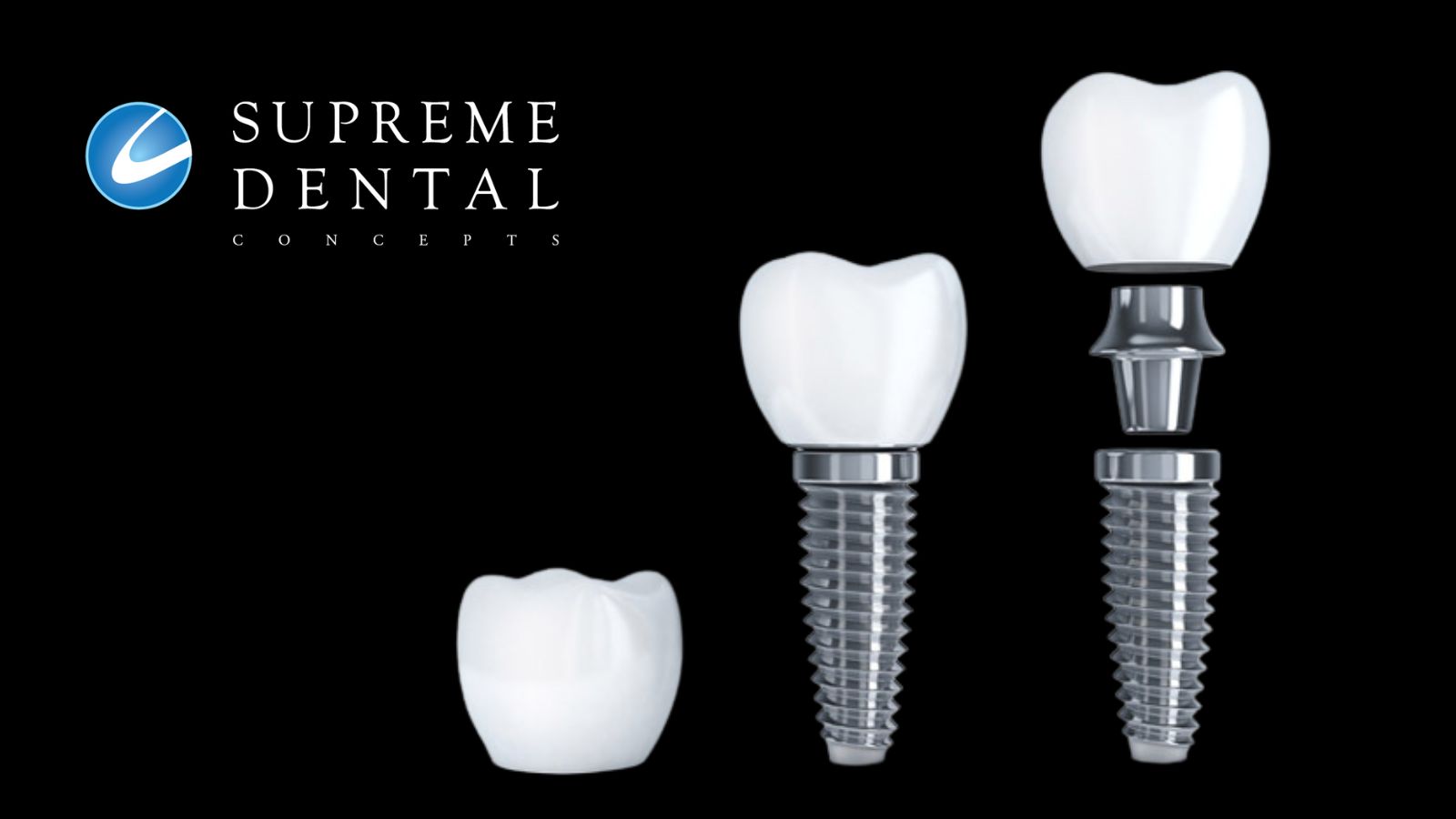
If you've lost a tooth, or you're living around a gap, the question underneath is usually a simple one: can I get back to eating, talking and smiling without thinking about it? A dental implant is the closest thing we have to giving you a real tooth back. It's fixed in place, it stays put, and most of the time you'll forget it's there.
We've been placing dental implants for over thirty years, since the early 1990s when most people in New Zealand had never heard of one. That's a long time to learn what works and what lasts. Below we'll walk you through what an implant actually is, what's involved, what it costs, and how we go about it here. Have a read at your own pace. If anything doesn't make sense, ask.
If you've lost a tooth, or you're living around a gap, the question underneath is usually a simple one: can I get back to eating, talking and smiling without thinking about it? A dental implant is the closest thing we have to giving you a real tooth back. It's fixed in place, it stays put, and most of the time you'll forget it's there.
We've been placing dental implants for over thirty years, since the early 1990s when most people in New Zealand had never heard of one. That's a long time to learn what works and what lasts. Below we'll walk you through what an implant actually is, what's involved, what it costs, and how we go about it here. Have a read at your own pace. If anything doesn't make sense, ask.
This is the part most people care about, so we'll lead with it. With an implant settled in, you can eat what you want. No working around one side of your mouth, no foods you've quietly given up on. Because there's nothing removable, there's no adhesive, no slipping, no taking anything out at night. It sits and behaves like the tooth that was there before.
People who've lived with a missing tooth, or with dentures that never quite fit, often tell us the change is bigger than they expected. They stop covering their mouth. They eat in front of people again. One of our patients put it simply: her food tastes how it should, and she's not restricting what she eats anymore.
There's a longer-term benefit too. When a tooth goes, the bone underneath slowly shrinks away because nothing is using it. An implant gives that bone a job again, which helps hold the shape of your jaw and face over the years.
Every case is a bit different, but the path usually looks like this:
A proper look first. We sit down, talk through what's going on and what you want at the end of it. We take a scan so you can see your own mouth on the screen with us, not just take our word for it. From there we work out whether an implant is the right call, how many you'd need, and whether anything needs sorting first.
Getting the site ready. Sometimes a tooth needs removing, or the bone needs building up a little before an implant will hold well. Not everyone needs this. If you do, we'll tell you why and what it adds.
Placing the implant. This is a small surgical appointment. The area is fully numbed, and sedation is available if you'd rather be more relaxed for it. We place the post into the bone and let it heal.
Healing. Over the next few months the bone grows around the post and locks it in. You're not toothless in the meantime, we'll sort a temporary so you look and function normally while things settle.
The tooth on top. Once the post is solid, we take a scan and have your final tooth made to match. We fit it, check the bite, and that's the job done.
Throughout, we work with a sedation dentist and oral surgeons where a case calls for it, and we plan the design carefully before anyone commits to anything. We'd always rather get the planning right than rush the placement.
Dental implants have a wide range of applications in modern dentistry. Here's a list of some of the primary applications:
These applications demonstrate the versatility and effectiveness of dental implants in restoring oral function, aesthetics, and overall quality of life for patients with missing teeth or dental issues.
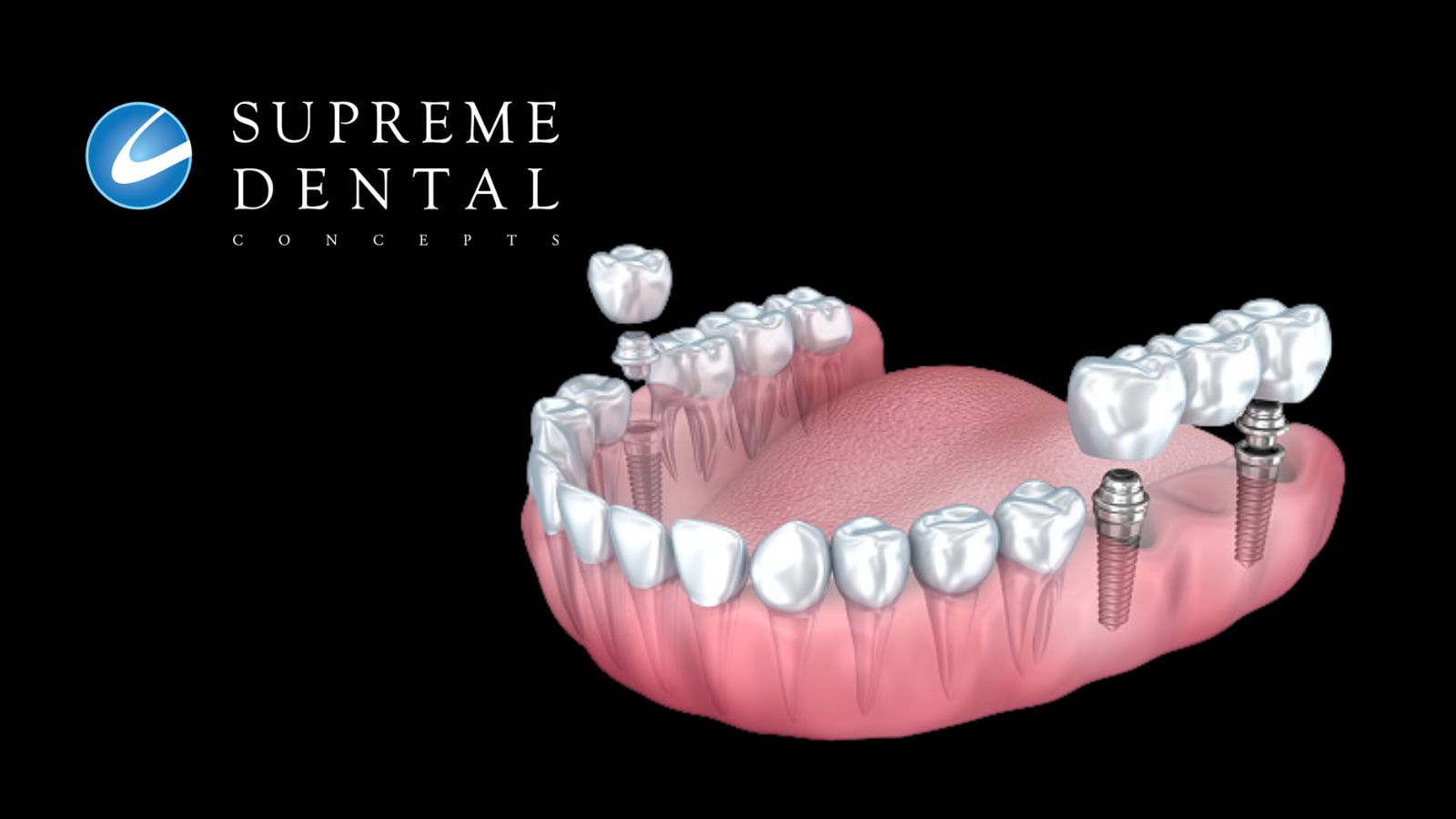
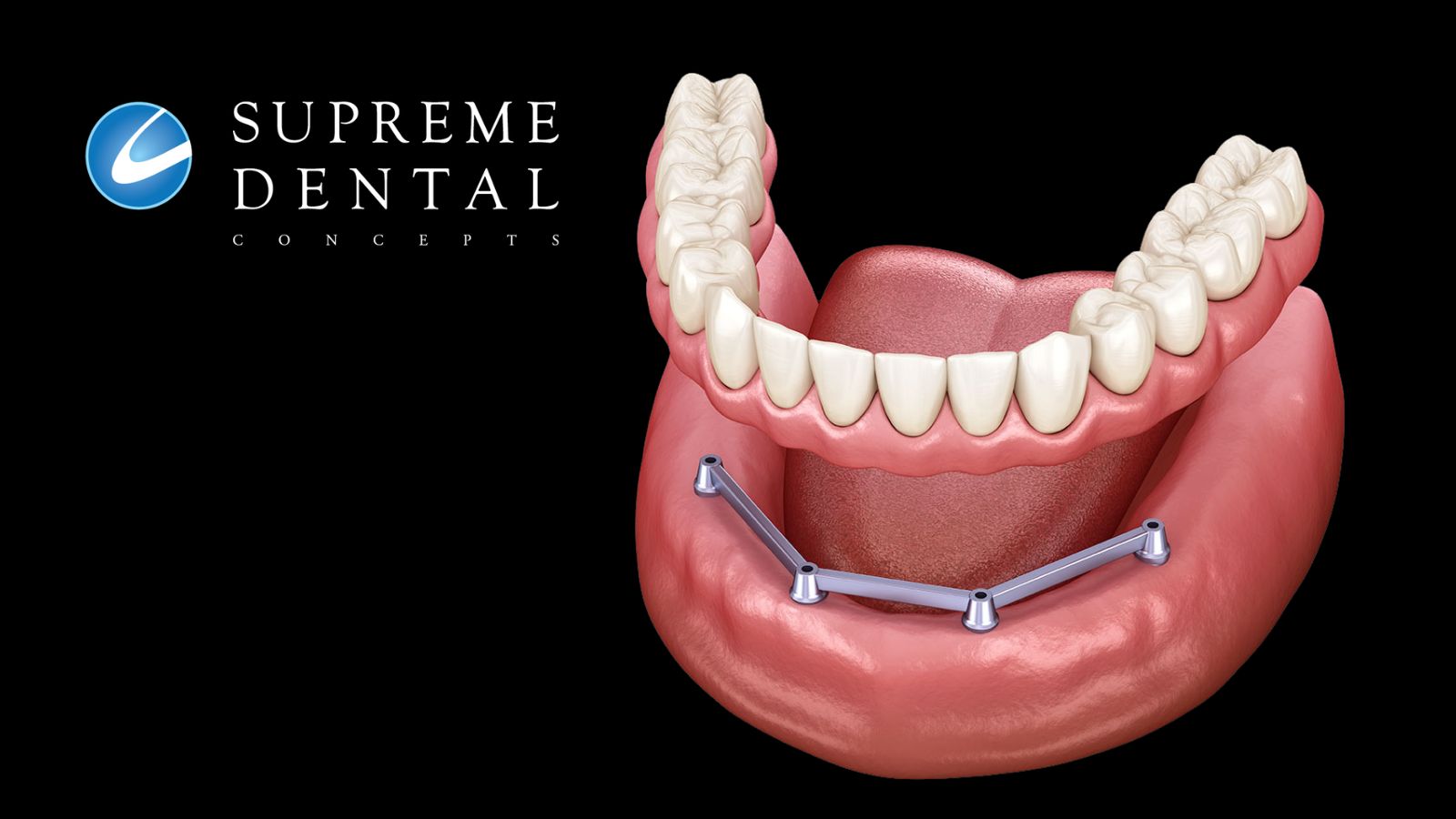
Implants aren't only for a single gap. They cover a range of situations:
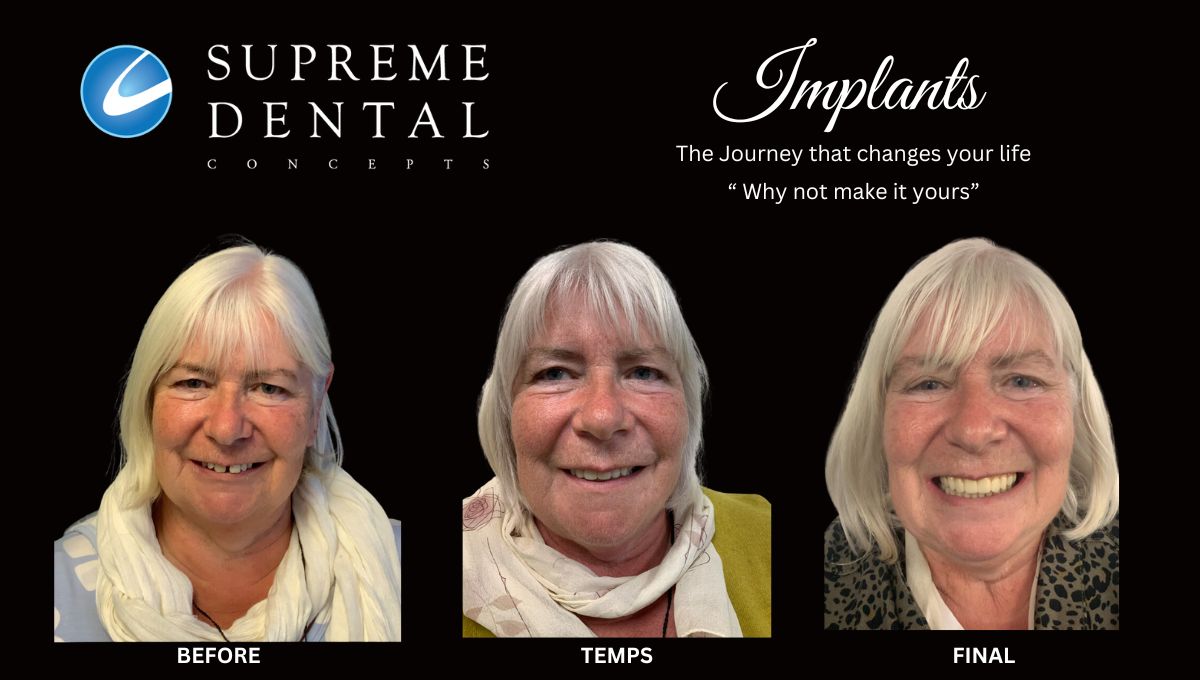
"What can I say except thank you all for making me smile again!
It took a while and I had to learn...
It was not an easy decision to get my "remaining" teeth removed even though I had pain in my mouth most of the time.
If I had been aware how much difference going down the full mouth implant process would make to me on a daily basis.. I would not have wasted time and money on partial dentures and individual tooth extractions.
My food tastes how it should and because l couldn't chew with dentures I had to restrict what I ate.
Navin was patient, kind and most of all caring.
The team that works with Navin are so lovely I can't thank you all enough."
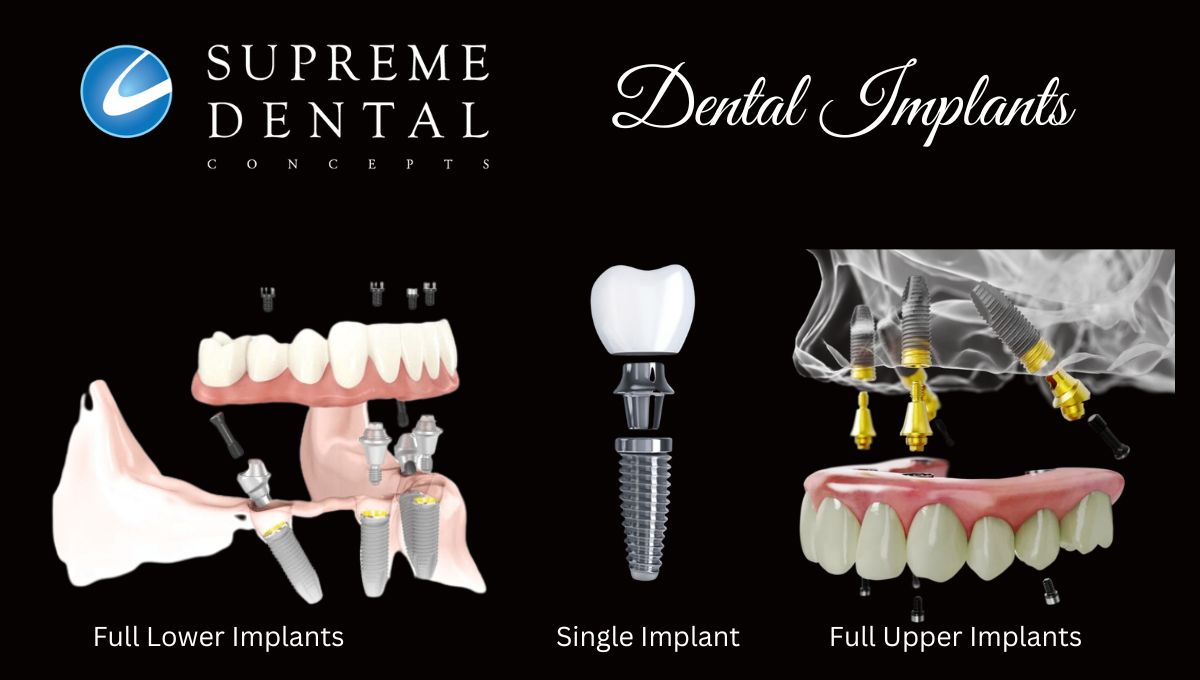
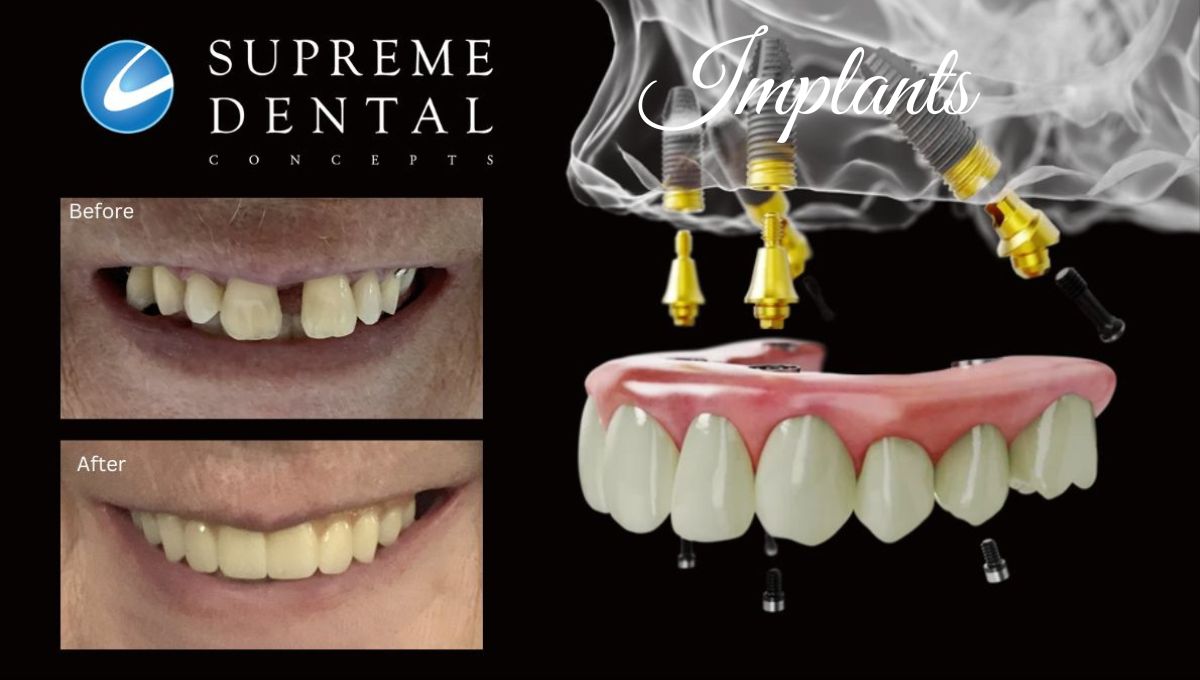
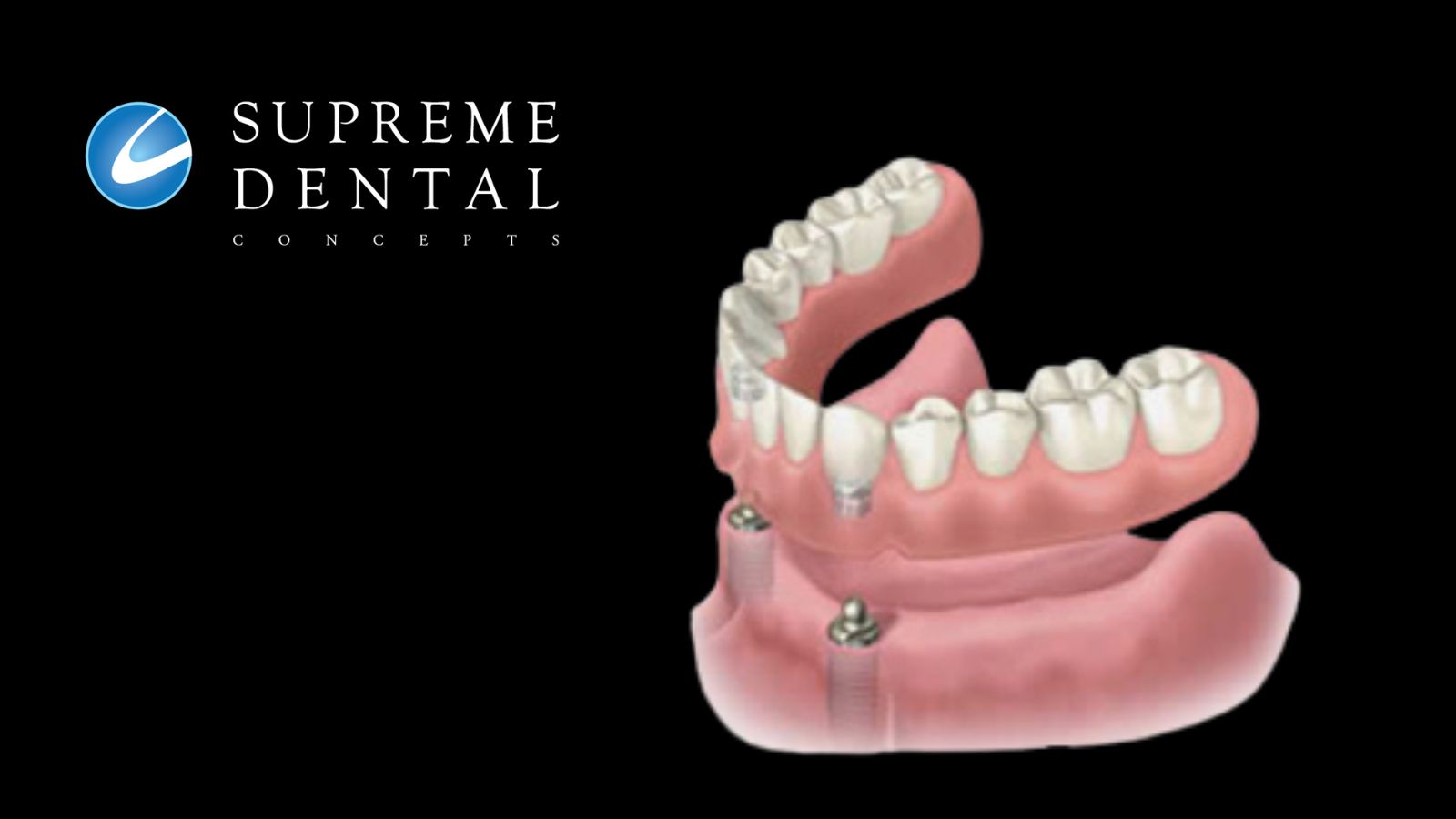
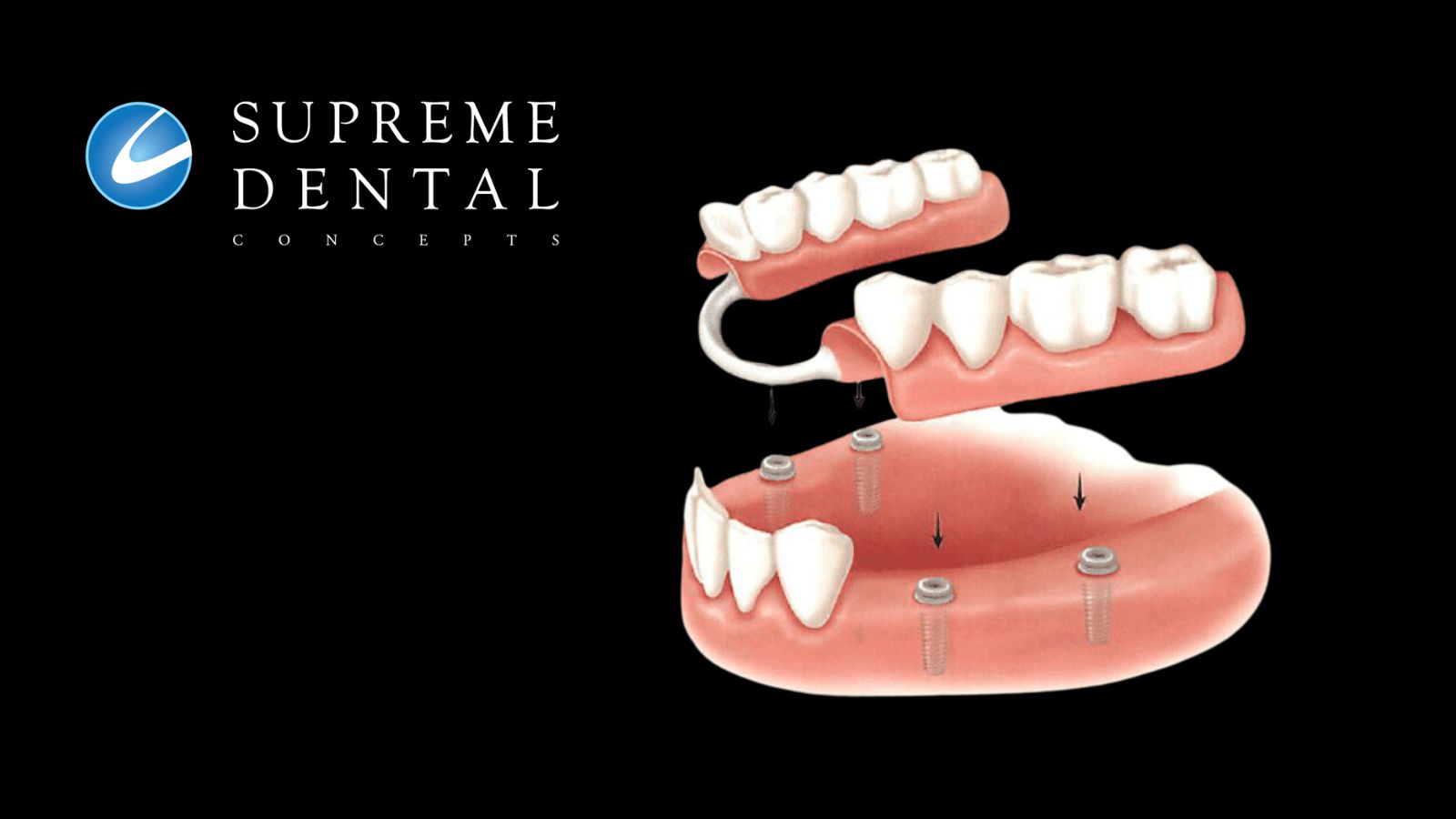
If there isn't enough bone for a standard implant, mini implants are sometimes an option. They're narrower, so they need less bone to hold, and they're often used to secure a denture so it clips in firmly. They can also work out more affordable than a full set of standard implants for whole-mouth work. Whether they suit you comes down to what we find at the consultation.
Most people in reasonable general and oral health are good candidates. A few things can get in the way: uncontrolled diabetes, gum disease that hasn't been treated, current cancer treatment, or heavy smoking, all of which affect how well an implant beds in and heals. It also helps to have the rest of your mouth in good order first, since problems elsewhere can travel. When we assess you, we'll weigh all of this up honestly and tell you straight whether it's the right move. If it isn't, we'll say so.
Cost is usually the first real question, and we'd rather be plain about it than make you hunt for a number. The honest answer is that it depends on how many implants you need, the state of the bone, and whether anything needs doing first, but here's a genuine indication:
A single tooth implant generally runs $4,500 to $7,000, covering the implant, the connector and the final tooth on top.
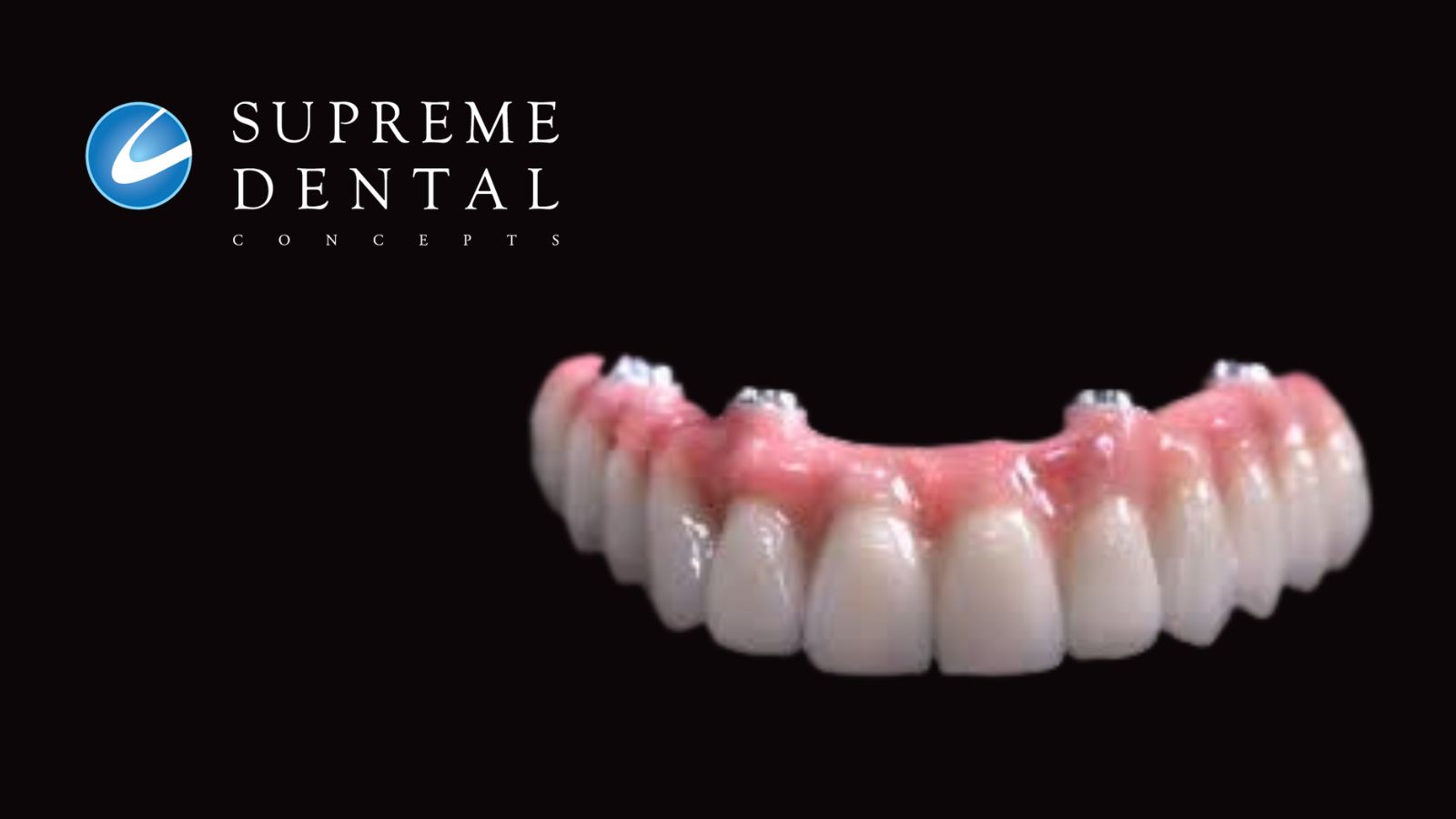
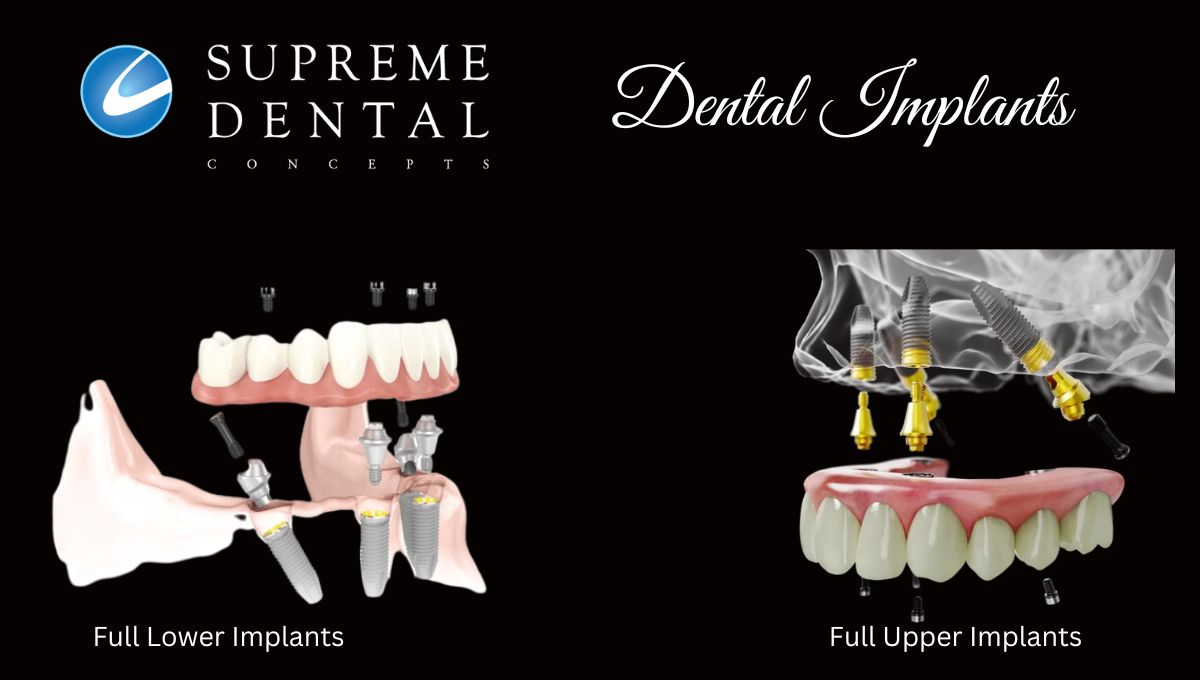
A full upper or lower set generally runs $35,000 to $45,000, depending on what the case involves.
Bone grafting or a sinus lift, if you need one, adds to that, and we'll tell you the figure up front rather than leave it as a surprise on the invoice. We go through all the options and the costs with you before you commit to anything.
A bigger total can feel like a lot in one hit. The thing to know is that it doesn't all have to happen at once, and there's usually room to sequence the work over time so it's manageable. We've also written a fuller piece on why implants cost what they do, and a plain breakdown of what dental implants cost in New Zealand — both worth a read if the number is the thing holding you back
We've placed implants for more than thirty years, and over that time we've built a way of working that puts the planning, and you, at the centre of it:
We place our own implants, and bring in a sedation dentist or oral surgeons when a case calls for it.
Every room has a scanner, so you see what we see and we decide together rather than us handing down a verdict.
We plan the design carefully, working with specialists, before anyone commits.
We go through every option and every cost before you say yes to treatment.
What we're after is the outcome you actually want at the end of it, not the biggest treatment we can sell. If there's a simpler or more affordable path that gets you there, we'll tell you about it.
How long do implants last? The post itself can last indefinitely with good care and regular check-ups. The tooth on top may need replacing somewhere around the 10 to 15 year mark from normal wear, the same as anything you chew with daily.
Does it hurt? The placement is done under local anaesthetic, so you won't feel it on the day, and sedation is there if you'd prefer it. There's some tenderness as it heals, which most people manage with ordinary pain relief.
Are implants safe? Titanium implants have been used for decades and the body accepts them well. As with any surgery there are risks, which is exactly why we assess you properly first rather than assuming.
Are all implants the same? No. Systems vary, and a good one has a long track record and proper support behind it worldwide, so if you ever need servicing years down the line, it's there. It's worth knowing what's being placed in your mouth, and we're happy to talk you through what we use and why.
If you're weighing up an implant, the best next step is to come in and see your own situation on the screen, so the decision is yours and not just ours. We're at both our Wellington and Lower Hutt clinics, and you're welcome to call either one with questions or to book a time. No rush, come in when you're ready.
Wellington: 04 801 6228 Lower Hutt: 04 570 0520
At Supreme Dental Concepts, we provide a comprehensive selection of cosmetic dentistry services designed to give you the confident smile you desire.
Our commitment extends to ensuring you look your absolute best.
As dentists, our training in injection techniques and facial anatomy during dental school equips us to preserve your youthful appearance, complementing your beautiful teeth.