Wellington:
(04) 801 6228
Lower Hutt:
(04) 570 0520
Myobrace has emerged as a popular alternative to traditional braces and aligners in orthodontics. But the burning question remains: Does Myobrace really work? Let's investigate this topic and uncover the truth behind Myobrace's effectiveness.
What is Myobrace?
Myobrace is a preventive pre-orthodontic treatment primarily aimed at children aged 3 to 15. It focuses on correcting poor oral habits known to be the underlying cause of crooked teeth. Unlike braces, Myobrace is not worn all the time but just for 1-2 hours each day and overnight while sleeping.
How Does Myobrace Work?
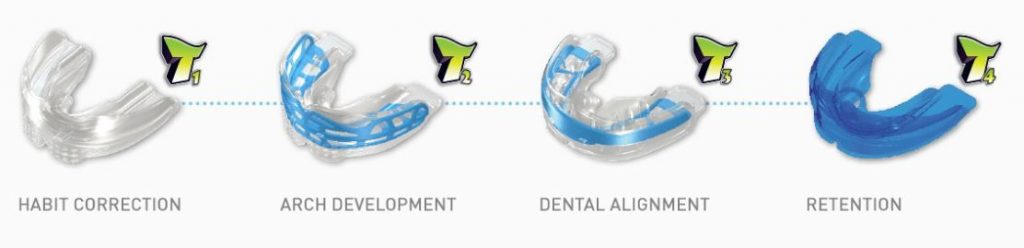
The Myobrace system uses a series of removable dental appliances that target the root causes of crooked teeth, often without the need for braces or extraction. It works by:
The Effectiveness of Myobrace
Several studies and clinical trials have suggested that Myobrace can be effective in some instances, especially for children. The key findings include:
Who Benefits Most from Myobrace?
Myobrace is most effective for children between 3 and 15, as it works best when the jaws and teeth are still developing. Early intervention can lead to better outcomes.
Pros and Cons of Myobrace
Pros:
Cons:
The Bottom Line
Myobrace is a promising option for correcting dental and jaw alignment issues in children, particularly when started at a young age. It's not a one-size-fits-all solution and may not replace traditional orthodontics in all cases. However, for those it suits, Myobrace offers a less invasive and more holistic approach to dental alignment.