Wellington:
(04) 801 6228
Lower Hutt:
(04) 570 0520
The temporomandibular joints are the joints on either side of your head that connect your jaw to your skull & allow you to open & close your mouth, chew, & speak. Because it can move in many different directions, these joints are some of the most complex in your body. Any problems with these joints are also referred to as TMJ disorder, or just TMJ.
Symptoms of TMJ can include:
The cause of your TMJ can determine which or how many of these symptoms you have. At most dental checkups, your dentist or dental hygienist will check for tenderness in your jaw muscles to see if TMJ might be present.
TMJ does not always have an obvious cause, but there are a few common possibilities for the origins of a TMJ problem:
While many probably think of dentist as just teeth doctors, we can’t treat you properly without looking at your mouth as part of a system. That system definitely includes your temporomandibular joint. A dentist can help in diagnosing your TMJ disorder, & may also refer you to a physician or a specialist dentist for further diagnosis.
Because TMJ can be caused by tooth & jaw alignment problems, there are dental treatments that may help. Your dentist may refer you to an orthodontist for treatments like braces, which can help realign the teeth & the jaws so that your mouth can close in the proper position. Treatment form an orthodontist can alleviate TMJ symptoms in many cases.
If your TMJ comes from teeth grinding or clenching, your dentist may recommend that you wear a custom dental appliance. Often called a bite plate or a splint, this appliance will keep your upper teeth from grinding against your lower teeth. In addition to alleviating TMJ symptoms, this bite guard will prevent wear on your teeth from grinding that can lead to other problems.
Other treatments for TMJ include using hot & cold packs, taking anti-inflammatory &/or muscle relaxing medications, or learning relaxation techniques to reduce tension in your jaw muscles. In certain rare cases, TMJ may require jaw surgery to correct.
If you are concerned that you may have symptoms that indicate TMJ, please speak with your dentist about it. We want to get you relief from pain & discomfort as quickly as we can!
If we’re honest with ourselves, we know that visiting the dentist is not high on your list of favorite activities. As much as we love dentistry & caring for smiles, we know the general public doesn’t quite share our passion. That’s why we do everything we can to make sure we provide dental care in a way that respects your busy schedule.
We find that the majority of our patients work jobs that are roughly 9am to 5pm every weekday. That’s why we offer teeth cleaning appointments in the morning that allow you to get in & out with plenty of time to get to work before 9am. We also offer teeth cleaning appointments in the late afternoon & evening, so you can stop by on your way home from work without having to leave early.
We also realize that most of young patients are in school from 8am to about 3pm, sometimes later if they participate in sports or other extracurricular activities. That’s what we offer early morning & evening teeth cleaning appointments for children as well. We don’t think it’s necessary for parents to pull their children out of class just for a teeth cleaning. We also offer children’s teeth cleaning appointments during midday during the summer when kids are free from school.
We work hard to ensure you leave every cleaning appointment with your next appointment already scheduled. This is so you can have it in your calendar as early as possible so you won’t forget. However, we know that it’s hard to know what you’ll be doing 3, 6, or 12 months from now (depending on how often we recommend you get your teeth cleaned). That’s why we always want to schedule your next appointment so you won’t have to miss work. If your next scheduled appointment is at a time that conflicts with your work schedule, please let us know so we can re-schedule it for you.
The last thing we want is for you to have to cancel your appointment at the last minute. Your dental health is far too important for that! Seeing your dentist regularly for cleanings doesn’t just mean you have an extra clean smile, it also gives us an opportunity to check for other health problems like gingivitis, gum disease & even oral cancer. We do everything we can to make dental care an easy & care-free part of your life. If we can do something better to ensure we respect your busy schedule, please let us know!
Summertime is a great time. The days are longer, we spend more time outside, the kids are out of school, & many of us take trips with family & friends. With all the changes in your routine during the summer, it might be easy to let dental care become less of a priority. Here are a few tips from your dental team to keep you smiling all summer long.
Tempting as it may be, as your dentist we must beg you not to chew on ice during the hot summer months! Just because your teeth are capable of chewing ice does not mean they should. Ice is hard enough to damage your tooth enamel, which is the hard outer layer of your teeth that protects the softer materials below. Place ice cubes in your drink to cool it instead.
Ads for soft drinks love to tempt us during the summer with ads about how wonderfully refreshing their products are, but when it comes to hydration & cooling off, nothing beats good old-fashioned water. Plus, drinking water won’t put you at risk for tooth decay like juices & soft drinks (including diet!). Plus, water can even help prevent tooth decay by washing away sugars & food particles that may be lingering in your mouth from your last meal or snack. So, please remember, soda pop & juices should be treats & you should drink water to stay cool & hydrated during the summer.
When you’re excited for a vacation it’s easy to overlook something when you’re packing your bags. If that something happens to be a toothbrush or floss, you probably won’t have to go very far for help. Though it isn’t common knowledge, most hotel front desks or concierge services have extra dental care products like toothbrushes, toothpaste and floss available for guests for free. All you have to do is ask. This is especially helpful if your vacation spot is far from a convenience store or drug store. By they way, they also tend to have razors & hair combs if you forgot those, too!
Even though most of us grown-ups are still just as busy during the summer, the children in our lives usually have a lot more time on their hands. We suggest you put some of this time to good use by scheduling your child’s semi-annual teeth cleaning & checkup during their summer vacation. The benefit of summer appointments is that you won’t have to pull your child out of class, they won’t have to miss extracurricular activities & their appointment won’t cut into homework time.
Summer is also a great time for college students to visit the dentist. Unless they’re relying on an on-campus dental clinic, most college students should keep coming to their family dentist, even after they’ve moved away for school. Students who are back home visiting family should plan a trip to the dentist during their visit. Scheduling an appointment during the summer also means that their next 6-month appointment will fall during winter break, when they’re likely to be visiting home again.
Regular appointments for children & students are very important, because they’re particularly prone to picking up bad habits that could lead to tooth decay.
Schedule your appointment early! Great summer appointments always fill up.
One of the best ways to make sure your child has a healthy smile for life is by establishing a dental home. That means creating a trusting relationship between your child & your family dentist & making sure visits to the dentist are fun & educational. As a parent or guardian, you can play a large part in making sure your child is happy & comfortable at the dentist. Here are a few ways how:
If you are a new parent or the parent of a small child, talk to us about bringing your child along on your own teeth cleaning appointment. You can hold your child on your lap while we clean your teeth. We are a family dentist & welcome the opportunity to introduce your child to the world of dental care. Together, you, the dental hygienist & dentist will explain to your child what’s going on, so that the process of going to the dentist becomes familiar to the child before he or she starts going to his or her own dental appointments. Many children become anxious when presented with situations that are unfamiliar. Seeing you get your teeth cleaned will introduce the concept to the child so they are less likely to be afraid or upset when it’s their turn to see the dentist.
Another great way to introduce children to the idea of visiting the family dentist is to read them a picture book about the topic. There are many great children’s books about visiting the dentist, so you can choose one that you think will appeal to your child. You and your child can re-read the book whenever they have a dental appointment coming up to remind them why going to the dentist is important & that it isn’t scary.
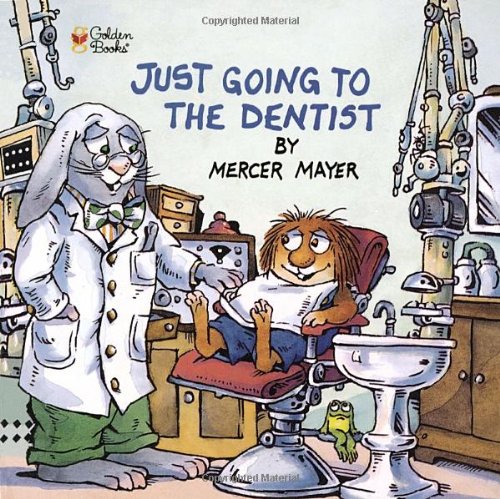 Just Going to the Dentist (Little Critter) by Mercer Mayer
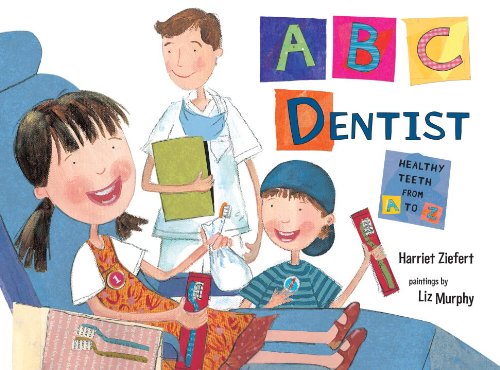 ABC Dentist: Healthy Teeth from A to Z by Harriet Ziefert
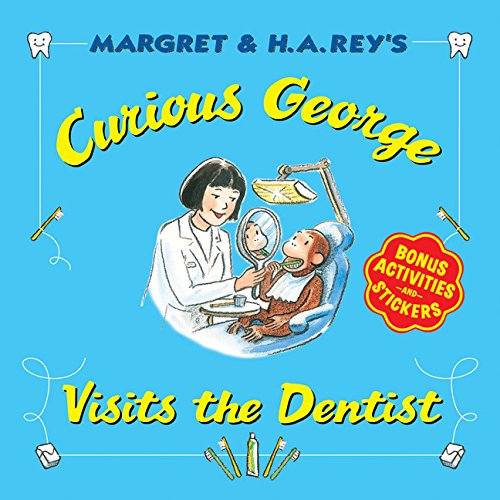 Curious George Visits the Dentist by H. A. Rey
Many children’s programs have episodes that focus on trips to the family dentist. They usually address possible fears children might have within a story that the child can relate to. A good place to search for episodes of kids’ shows that feature a trip to the dentist is YouTube, or similar video-streaming services. You can also keep an eye out for dentist-themed episodes on TV make sure you & your child watch them together.
Dudley Visits the Dentist
Dentist Video from Sesame Street
As a family dentist, we are alway happy to do whatever it takes to make sure your little one feels comfortable & welcome at our practice. If you have any concerns or questions about your child’s visits to the dentist, please don’t hesitate to ask us.
Our pledge to you is to provide the most personalized, effective dental care possible. Caring for your individual dental health is part of our larger goal of improving & supporting the overall health of the community. Dental health is deeply linked to your general health, so the happier & healthier we can make your smile, the stronger our community will be.
We fulfill this pledge in the following ways:
Chances are you don’t think of going to the dentist as a convenient & easy experience. We want to change that for good. We are committed to offering our patients preventive care appointments that fit with their busy schedules. We don’t want you to ever have to miss work or pull your children out of school for a teeth cleaning. That’s why we offer teeth cleanings outside of normal work & school hours to ensure you can see us regularly. If your next appointment is not scheduled at a time that is convenient for your, let us know, & we will do our best to get you in at a time that respects your schedule.
We’ve been working in dentistry long enough to know that many people have anxiety or fear about dentistry, & that these feelings can come from many different sources & be expressed in many forms. We promise to always do our best to make your dental visit as comfortable as possible by listening to your concerns & adapting to accommodate & alleviate them. We know that how comfortable you are at our dental clinic is tied to how healthy we can keep your smile. Never hesitate to let us know how we can put you more at ease!
We understand that the cost of dentistry can be intimidating for many patients. Please rest assured that our staff is trained to maximize all dental insurance benefits to ensure insured patients pay as little out of pocket as possible. For example, teeth cleanings are free for all insured patients at our dental clinic. And remember, not only is preventive care the most affordable kind of dentistry, it also saves you lots of money in the future by ensuring you don’t need any expensive restorative or gum disease treatments. We also provide dental coverage options for patients without insurance & financing options to make sure you get the care you need without having to stress about the cost. An investment in your smile always pays off!
Finding a dentist is about finding someone you like and trust. The dental clinic you choose should be you & your family’s dental home, your headquarters for all things dental health related. It should be a place where you feel comfortable & where you’re greeting by name when you arrive. In addition, your dentist should be convenient & personalized so you know you’re getting the best care for your unique smile.
One of the best ways to find a new dentist is to ask your coworkers, friend, & family members. Chances are most of your co-workers live nearby & share the same dental insurance that you do. Ask you colleagues for a recommendation for a great dentist.
Obviously, convenience is a big factor in finding a dentist. Many people search for dentists near their homes, which certainly makes sense. But you can also keep an eye out for dental offices that are near your place of work. Another clever idea is to keep an eye out for dental practices along your commute.
We understand that very few people eagerly look forward to going to the dentist, but everyone needs to go to the dentist. For that reason, we believe that dental care should fit into your life as easily as possible. Look for a dentist who has convenient hours that don’t require you to miss work or pull your kids out of school for teeth cleanings. A dentist should make it easy for you by offering appointments before work & after work, & even on the weekends, so you don’t have to take time off.
You teeth cleaning appointments are the most important part of your preventive dental care & keeping your smile healthy. Therefore, cleaning appointments should be as easy & quick as possible! Cleaning appointments should only be about an hour long, including your time with the dental hygienist, x-rays by the dental assistant & a brief exam & checkup with the dentist. If we only ask for 2 hours of your time each year, what excuse do you really have not to visit the dentist?!
Like any relationship, it’s important to have good communication. Your dentist’s office should always answer the phone when you call. You should almost never be put on hold or get the answering machine while the dental clinic is open.
Good communication also means having a dentist who listens & takes the time to explain all procedures & recommendations. If you have questions about the treatment that your dentist recommends, including why it’s necessary, don’t just nod & pretend you understand. It’s important for you to be an active participant in your own care, so be sure to find a dentist who listens to your concerns & can explain your dental care in non-technical terms you can easily understand.
Many consider whether a dentist is affordable to be a matter of opinion, especially because dental costs vary by region (often due to factors beyond the dentist’s control, such as dental supplies & insurance companies).
We believe that is ethically correct for dentists to make preventive care as inexpensive as possible. That’s because a little money spent on preventive care can save most patients thousands of dollars in potential restorative dentistry or periodontal care in the future. In fact, in most cases, patients who have dental insurance will not pay anything out-of-pocket for preventive care such as teeth cleanings. Those insured patients who do pay for preventive care usually only pay a very small co-pay.
For patients who don’t have insurance, many dentists offer in-house dental coverage plans. These membership plans are exclusive to that dentist’s office & usually include preventive care such as cleanings & annual x-rays at no additional cost, plus discounts on other common procedures such as crowns, fillings & sometimes gum disease treatments.
Most dental clinics also offer some kind of financing option, such as CareCredit or Springstone. If you’re concerned about how much your dental care might cost, be sure to ask your dentist about what financial arrangements they offer. Most dentists will be with flexible with patients about how they pay for their care. After all, our primary goal is for you & your family to have healthy smiles for a lifetime!
Brushing your teeth is very important for your oral & overall health, but to kids, it’s just a chore. But it doesn’t have to be! Here are some tips for teaching your kids how to brush their teeth effectively & solidify good dental care habits for a lifetime of healthy teeth.
Step 1. Demonstrate.
To encourage your kids to brush their teeth properly, model good behavior! Brush your teeth at the same time as your child & let them watch you so they can see how it should be done. Explain what you’re doing as you’re doing it & brush in small circles on all surfaces of every tooth. Make sure you show how to angle the toothbrush at 45 degrees to brush the gum line effectively.
Step 2. Guide.
Kids usually don’t have good enough motor control to brush their own teeth well until they are 6 or 7, so until then, you can brush their teeth for them.
Show them how to squeeze a pea-sized amount of toothpaste onto the toothbrush (the ADA recommends using a rice grain-sized amount until your child is three years old) & have your child face the mirror so they can see & you can explain what you are doing. Go slow & show them proper brushing technique.
Once they are old enough to brush their teeth on their own, continue to brush your teeth at the same time as your child to encourage good dental care. If you’re nervous that they aren’t being thorough, trade off for a while. Your child can brush their own teeth in the morning, & then in the evening you can reinforce proper brushing technique by doing it for them.
Step 3. Encourage Them to Be Thorough.
Make sure your child is thorough & continues to brush for the entire two minutes. You can use songs or a timer to countdown, & tell them to make lots of bubbles with the toothpaste.
When the two minutes is up, instruct them to spit the toothpaste into the sink & never swallow it. Then, they should rinse their mouth & the toothbrush. To show them how thorough they need to be, you can use plaque dye tablets after brushing to show them the spots they missed.
Step 4. Floss!
Flossing is a very important part of the dental care routine that you should encourage your child to follow from an early age. To make it more fun & easy, you can use floss picks, because they often come in styles with characters.
As with brushing their teeth, teach your child the proper flossing technique. Wind 18 inches of floss around your middle fingers & pinch the floss between your thumb & index fingers. Gently insert the floss between two teeth using a back & forth motion. Curve the floss around each tooth in a C shape & move it up & down each tooth. You can demonstrate it, guide your child, & eventually let them try it themselves.
Tips & Tricks
40% of kids have cavities by the time they enter kindergarten, so it’s important to encourage good brushing habits early. Even though baby teeth will fall out eventually, it’s important to keep them clean & healthy anyway because they are guides & space holders for permanent teeth.
Here are some tips & tricks for making brushing fun!
Wisdom teeth are the name for your third permanent molars, which typically appear from age 17-25. It is thought the name “wisdom teeth” comes from the fact that they appear long after all your other permanent teeth, when you a much older & wiser. Most people have four wisdom teeth, one in each quadrant of the mouth (upper left, upper right, lower left, lower right). If your dentist has been doing updated x-rays of your mouth every year, they might be able to see where your wisdom teeth are going to come in, but there’s no guarantee on how wisdom teeth will behave.
In some cases, wisdom teeth come in (or erupt, as we dentists say) normally & function just like your other molars. In many other cases, however, wisdom teeth are impacted. Impacted means the teeth are stuck in the bone under your gums. Either there isn’t enough room for them to come in all the way, or they’re coming in at such a strange angle that it’s impossible for them to emerge from your gums.
Not all impacted wisdom teeth will cause problems, but wisdom teeth removal is still recommended for many patients, even when they are not experiencing any negative symptoms. The reason for this is wisdom teeth removal is much easier & less complicated the younger the tooth is. Younger wisdom teeth have less developed roots & are less likely to be near nerves. Also, younger people tend to heal better, so having wisdom teeth removed in the late teens or early twenties often provides for better results. As the wisdom teeth get older & get integrated into the bone of your jaw, they become harder to remove.
Some patients start experiencing pain & swelling soon after their wisdom teeth appear. In other cases, the wisdom teeth can come in only partially, creating an optimal place for bacteria & infection to grow between the partially exposed gum & other teeth. This infection is called pericornitis. In these situations, emergency wisdom teeth removal is usually recommended to relieve pain & prevent further complications. If you are in your late teens or twenties & are experiencing a toothache or jaw pain, visit the dentist to see if it could be related to your wisdom teeth.
Wisdom teeth removal is performed either by your dentist or an oral surgeon. Some dental clinics have an oral surgeon on staff, but others may require you to get a referral to a separate oral surgeon’s office. If your dentist doesn’t perform oral surgeries, they usually have a trusted local oral surgeon that they work with who they will refer you to.
Removing wisdom teeth is a fairly straightforward procedure. If your wisdom tooth has emerged from the gum normally (erupted), it will be “pulled” like any other tooth. If it is impacted, the dentist or oral surgeon may have to make an incision in the gum to access the tooth in the bone. The complexity of removing an impacted is particular to each patient’s situation. You dentist or oral surgeon will also help determine the level of sedation needed to keep you comfortable.
After wisdom teeth removal surgery, most patients experience some pain & swelling for several days. Your dentist or oral surgeon will give you post-operative instructions, like taking Tylenol or using ice packs, to help you heal & stay comfortable. You may also get a prescription for a stronger painkiller if necessary. You will also get recommendations on the types of soft foods you can eat until you’ve healed enough to chew again.
Did you know that not everyone develops wisdom teeth? In fact, the incidence of wisdom teeth in those with Tasmanian Aboriginal ancestry is practically zero. By contrast, nearly 100% of indigenous Mexicans have wisdom teeth.
With today’s modern sedation techniques & better understanding of the causes & solutions for dental phobia, there is no reason to fear the dentist. As dentists, the thing we fear the most is our patients being in pain or experiencing other challenges due to not visiting the dentist for checkups & treatment. Dentists & dental professionals are caring & compassionate people who got into dentistry to help others. Our primary goal is always your health & comfort, so if you experience dental phobia or fear, we will do everything we can to make visits to the dental clinic easy for you.
If you have dental fear or anxiety, it is very important that you tell the dentist, the dental hygienist, the dental assistant, & any of the other dental clinic staff who you directly interact with (for example, the receptionist or even the financial advisor). Don’t be afraid to tell us you’re uncomfortable! There is no way it’s the first time we’ve heard this & you are not alone. Plus, if we know you might be fearful or nervous, we can pull out all the stops to make sure you’re as comfortable & relaxed as possible.
We also recognize that dental anxiety can be a generalized anxiety about going to the dental clinic, or anxiety about a specific dental procedure or routine. For example, if you’re fairly comfortable at the dentist but feel anxious at the sound of an ultrasonic dental scaler, be sure to let us know so we can attempt to make you more comfortable.
We’re also aware that there’s such thing as dental phobia, that is more generalized & not necessarily rational. No matter your level of anxiety or fear, there are many ways we can put you at ease at our dental clinic & restore a positive relationship with your dental care.
For those with fairly mild dental anxiety, we can offer you creature comforts to distract or insulate you from certain irritations. If the sounds of certain dental procedures bother you, we can offer you earplugs. Or, you can wear headphones & listen to music that you find calming or that will distract you. We can offer you headphones if you do not bring your own. We can also provide sunglasses to protect your eyes from the light the dentist may be using to see inside your mouth.
From breathing exercises to simply talking to you, our dental hygienists & dentists are happy to walk you through calming techniques to guide you away from anxiety & back to calm. We’ll be encouraging when you’re doing well & understanding when you are not. If you’re starting to get uncomfortable, just signal us & we’ll pause the procedure until you’re able to go on.
Sedation is a fantastic option for those who have dental anxiety or fear. And just like there are different level of dental anxiety, there are different levels of sedation to go along with it.
Intravenous or I.V. sedation is the most powerful form of sedation & is sometimes referred to as “being put under”. I.V. sedation is usually administered by an anesthesiologist or a dental professional certified in anesthesiology. With I.V. sedation you will be unconscious during your dental procedure & may have very little memory of it when you wake up. You’ll be groggy afterward, so a friend will need to take you home.
Pill sedation involves taking an oral sedative prior to your visit or procedure. This can be prescribed by the dentist once you have had a conversation about your dental anxiety. You will receive instructions on how soon before your appointment to take your pill so it will be in full effect during your visit. Similarly to I.V., you may be groggy as the sedation wears off, so a friend should help you get home.
Lastly & probably most common is nitrous oxide or “laughing gas” sedation. This involves inhaling a scentless gas that calms & relaxes you. Unlike the more powerful options of I.V. & pill sedation, nitrous oxide sedation only lasts while you are inhaling it. That means that after your procedure is over & the inhalation device has been removed, you’ll be back to normal without any grogginess.
Once again, we have to emphasize that it’s very important for you to tell us if you have dental anxiety. The last thing we would want is to put you in an uncomfortable situation that could have been eased or avoided by having a conversation about your anxiety. We have lots of experience working with anxious patients & we encourage you to think of us as a partner in healing & alleviating your dental anxiety.
As the dental health professionals in charge of keeping your smile healthy, we want to do everything we can to keep potential health threats away from your teeth. We all know that sugar can cause major problems when it comes to oral health, particularly tooth decay. That being said, we know it’s unrealistic to tell you to stay away from sugar all together. Still, we want to give you the best opportunities to take good care of your teeth, so here are a few yummy low sugar dessert recipes you can use to satisfy your sweet tooth without overdoing it on sugar!
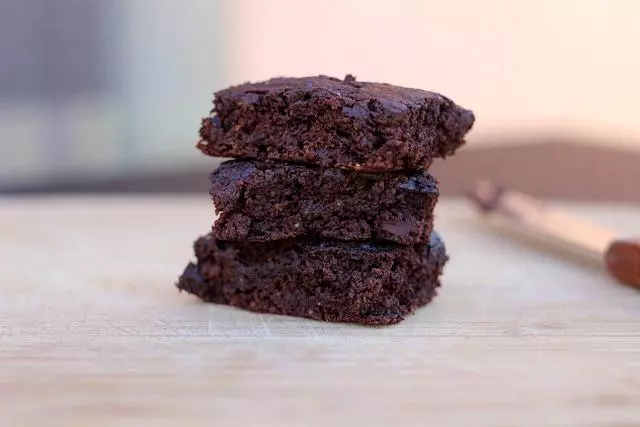
These yummy brownies promise all the chocolaty goodness of a regular brownie without packing a big sugar punch. Rather that lots of granulated sugar, this recipe includes a liquid sweetener such as maple syrup or brown rice syrup instead. Get the complete recipe from Lauren at Oatmeal With a Fork here.
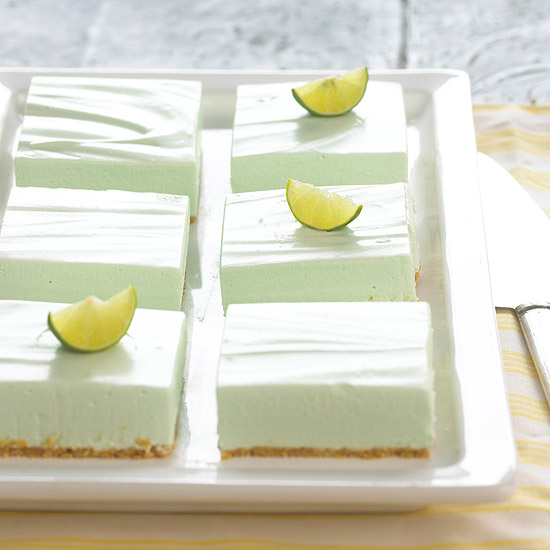
These creamy & tangy key lime cheesecake bars are sure to be a refreshing treat despite the fact that they contain barely any sugar! If you’re a fan of raw diet options, you should also note that this is a no-bake recipe (but it does contain graham crackers, which are baked). Get the full recipe plus a great video showing the preparation process at Better Homes And Gardens here.

You’ll be stunned at how easy these sweet & chewy cookies are to make! Just like the title says, there are only two ingredients: old-fashioned oats & super ripe bananas. Plus, as recipe-writer Camilla suggests, you can punch up the flavor & the texture with additional ingredients such as peanuts & shredded coconut. Get the entire recipe from Power Hungry here.

This twist on a traditional pudding is sure to satisfy your spiced pumpkin pie cravings without the usual load of sugar that goes along with it. This recipe is also no-bake, dairy free & contains chia seeds which are often called a superfood. Get the full recipe at Low Carb Yum here.
Got another low-sugar or sugar-free dessert favorite? Share it with us & we’ll be sure to tell the rest of our family of dental patients about it!