Wellington:
(04) 801 6228
Lower Hutt:
(04) 570 0520

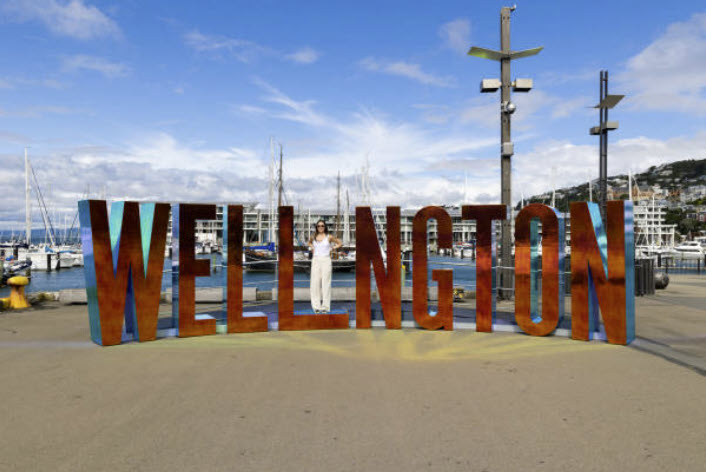
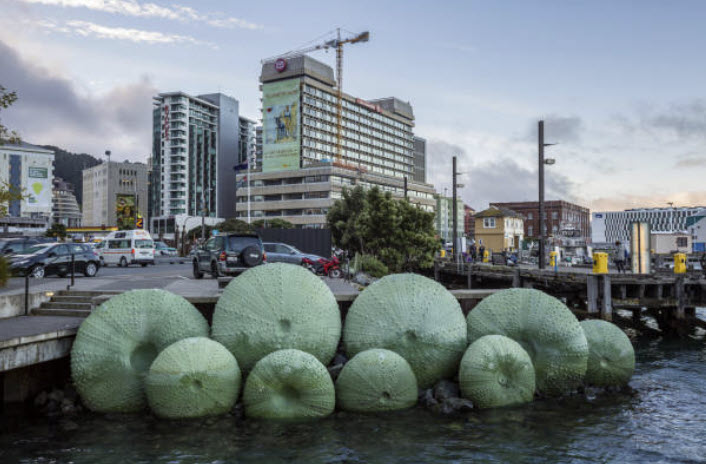
Wellington, New Zealand's capital, is renowned for its captivating blend of cultural vibrancy, stunning natural landscapes, and a warm, welcoming community. This picturesque city, nestled between lush green hills and the sparkling waters of the Wellington Harbour, is a thriving hub of creativity and innovation.
Cultural Centre of New Zealand, Great to raise your family and enjoy the pleasures of life without the big prices attached. All activities within a stone's throw.
Wellington is the heart of New Zealand’s arts and culture scene, home to the National Museum Te Papa, numerous art galleries, and a bustling film industry. The city's calendar is packed with festivals and events celebrating everything from food and wine to music and film, reflecting a rich and diverse cultural tapestry.
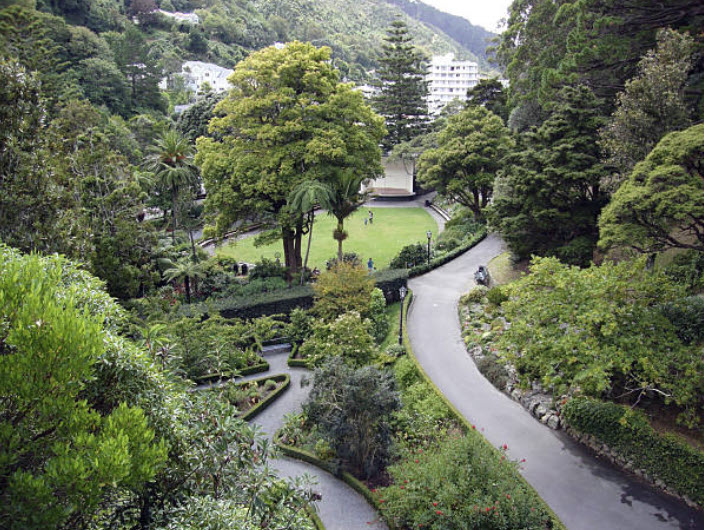
The city's landscape is a wonderland for nature lovers. With its rugged coastline, sandy beaches, and verdant hills, Wellington offers endless opportunities for outdoor adventures. The iconic Wellington Cable Car provides breathtaking views of the city, and the Botanic Garden is a tranquil escape in the city's heart.
Wellingtonians are known for their friendliness and inclusive spirit. The city prides itself on being a melting pot of cultures where everyone feels at home. Community events, local markets, and neighborhood gatherings testify to the city's warm and friendly atmosphere.
Wellington consistently ranks high in global liveability indexes. It boasts a low crime rate, making it one of the safest capital cities in the world. This sense of security is a cornerstone of the city's appeal, contributing to a relaxed and peaceful lifestyle.
The city is a hub for educational excellence, hosting top-ranked universities and research institutions. Wellington offers world-class educational opportunities, from primary education to tertiary levels, known for their high academic standards and innovative learning environments.
Wellington's healthcare system is among the best in the world, with access to high-quality medical facilities and professional healthcare providers. The city's healthcare services are well-organized and easily accessible, ensuring residents receive prompt and efficient medical care.
How Registration Works (the short version)
Every dentist and hygienist who works in New Zealand must be registered with the Dental Council of New Zealand (DCNZ) and hold a current Annual Practicing Certificate. DCNZ is the official regulator, and which pathway applies to you depends on where you trained and what qualification you hold.
The single best place to start is DCNZ's own self-assessment tool. You answer a few questions, and it points you to the correct pathway and form for your situation
For Dentists
Broadly, there are three situations:
You hold a prescribed (recognised) qualification. Some overseas qualifications are formally recognised by DCNZ. If yours is one of them, you can apply for registration directly, without sitting an exam. DCNZ publishes the current list of recognised qualifications.
You're registered in Australia. If you're currently registered as a dentist in Australia, you can usually register here under the Trans-Tasman Mutual Recognition Act, which is one of the more straightforward routes.
You don't hold a recognised qualification. The main pathway is the New Zealand Dentist Registration Examination (NZDREX), administered through the National Dental Examining Board of Canada. It's a staged assessment of knowledge and clinical skills. Alternatively, if you believe your training and experience are equivalent to a recognised qualification, you can apply for individual assessment.
For Hygienists
The routes mirror the dentist pathways:
You hold a prescribed (recognised) qualification, or you're registered in Australia. You can apply for registration directly, or register under the Trans-Tasman Mutual Recognition Act if you're already registered in Australia as a hygienist or oral health therapist.
You don't hold a recognised qualification. The main pathway is the New Zealand Dental Hygiene Registration Examination (NZDHREX), which has a written part and a clinical part.
One thing worth knowing: depending on your training, your initial scope may exclude certain areas (for example local anaesthetic, orthodontic procedures, or radiography). If your training covered these, or you complete further training, you can apply to have those exclusions removed once you're registered.
New Registration Pathways from November 2026
It's a good time to be looking. DCNZ is opening three new registration pathways on 1 November 2026, designed to make it quicker for suitably trained overseas practitioners to join the register. In brief:
If you're at the start of your planning, it's worth checking which of these might apply to you, as they may offer a faster route than the older pathways. DCNZ's site has the current detail.
A Note on the Practical Side
Registration is the main hurdle, but not the only one. You'll also need the right visa or residency to work here, which is handled through Immigration New Zealand, separately from DCNZ. Health and registered occupations are often well regarded in New Zealand's immigration settings, but the detail changes, so check the current position directly.
As for the move itself: Wellington is compact, safe, and easy to settle into, with the coast and hills close by and a strong food and arts scene. You get a genuine work-life balance here without the scale or cost of a bigger city. Lower Hutt, a short drive away, has its own relaxed, family-friendly feel.
Why Talk to Us
A lot of overseas clinicians tell us the hardest part isn't the exam, it's finding a practice that will actually support them through the transition rather than just hand them a chair and a list.
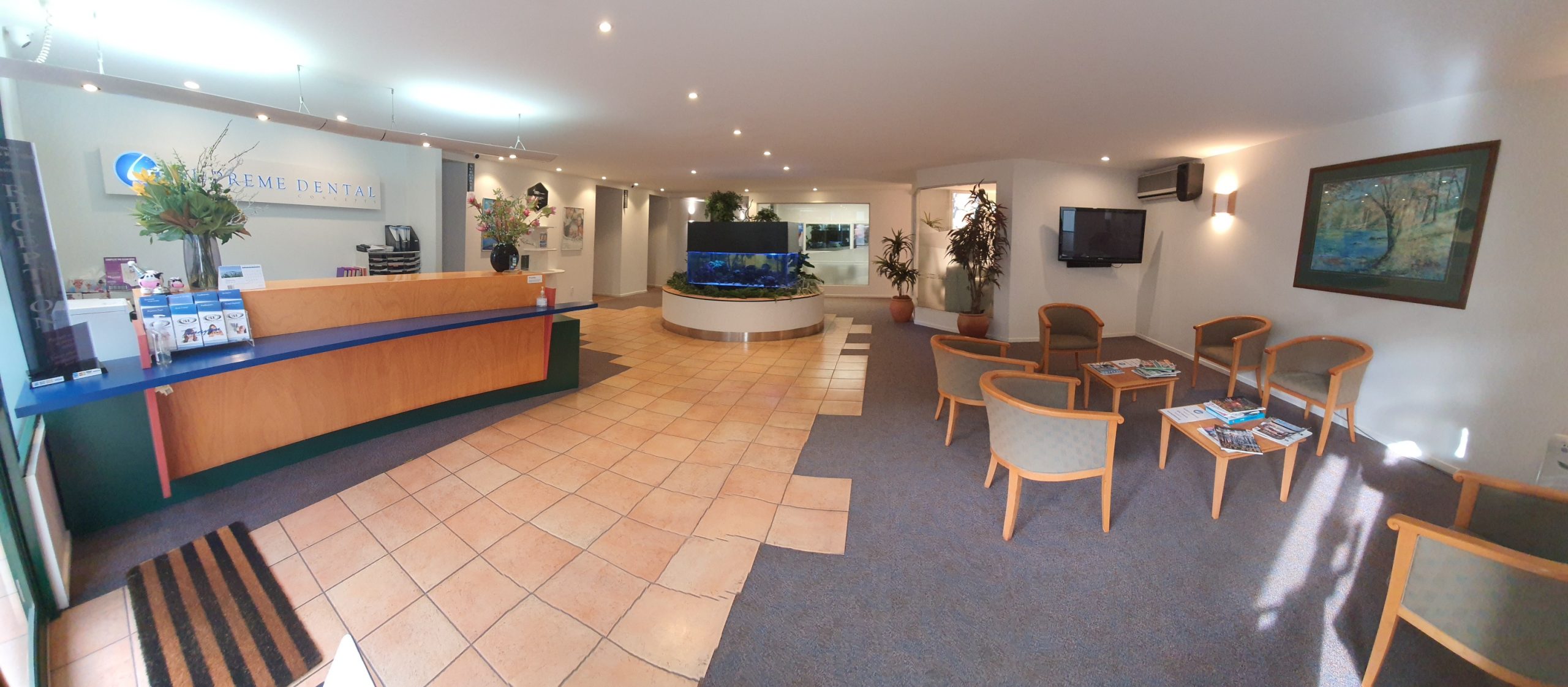
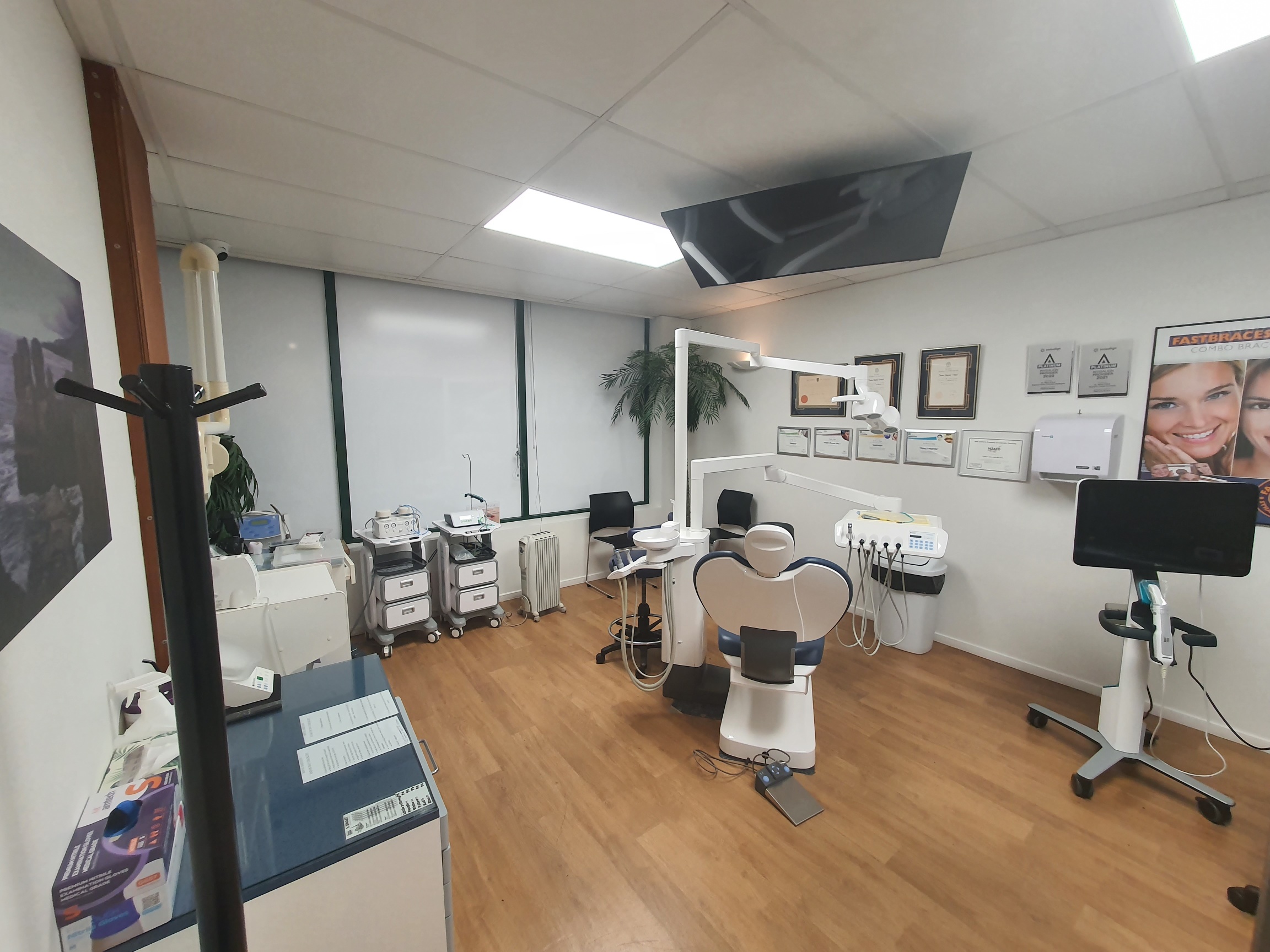
We're an established, owner-led practice with long-standing patients and an experienced team around you. We take the time to do dentistry properly and we don't push throughput. If you're working through registration and want somewhere to land when you're ready, we're happy to have that conversation early.
Our team already serves our community in English, Mandarin, Hindi, Gujarati and Japanese, so you'd be joining a genuinely multicultural practice.
Get in Touch
You don't need to have finished the registration process to talk to us. Tell us a little about yourself, where you trained, where you are in the registration process, and the kind of work you'd like to do.
Applications and enquiries: Dr Navin Vithal — [email protected]